Shanghai flagship
One house, built and staffed properly, used to settle the format before anything is repeated.
- Site selection and lease
- Menu built around verified supply
- Kitchen and front of house team
- Procurement run through the group
餐饮服务
This line runs in two directions. We supply kitchens and hospitality operators today, and we are building our own restaurant chain, beginning in Shanghai.
Food is the hardest category a trading company can take on. It carries shelf life, cold chain, sanitary certification and a customs regime that treats a mistake far less forgivingly than a carton of hardware. It is also the category where a supply chain company has the most to give.
That is the reason we are moving into it from both ends: supplying other operators, and running our own.
A restaurant group lives or dies on procurement. That is a supply chain problem, and it is the one we already solve.
Why we are doing this
The part of this line that is trading in the ordinary sense: we buy, certify, ship and deliver for kitchens, hotels and distributors.
Sourced against specification, with the production site registered and the sanitary documentation confirmed before anything is bought.
Reefer container booking, temperature specification agreed in writing, and handling arranged so the chain is not broken at transhipment.
Health certificates, production site registration and the destination country's import permits, established before the order rather than after.
Remaining shelf life on arrival is agreed as a contract term, because for food it is as much a specification as weight or grade.
Equipment, tableware, uniforms and consumables sourced from the same manufacturing belt as the rest of our categories.
Consolidated supply for operators who would rather deal with one exporter than with fifteen.

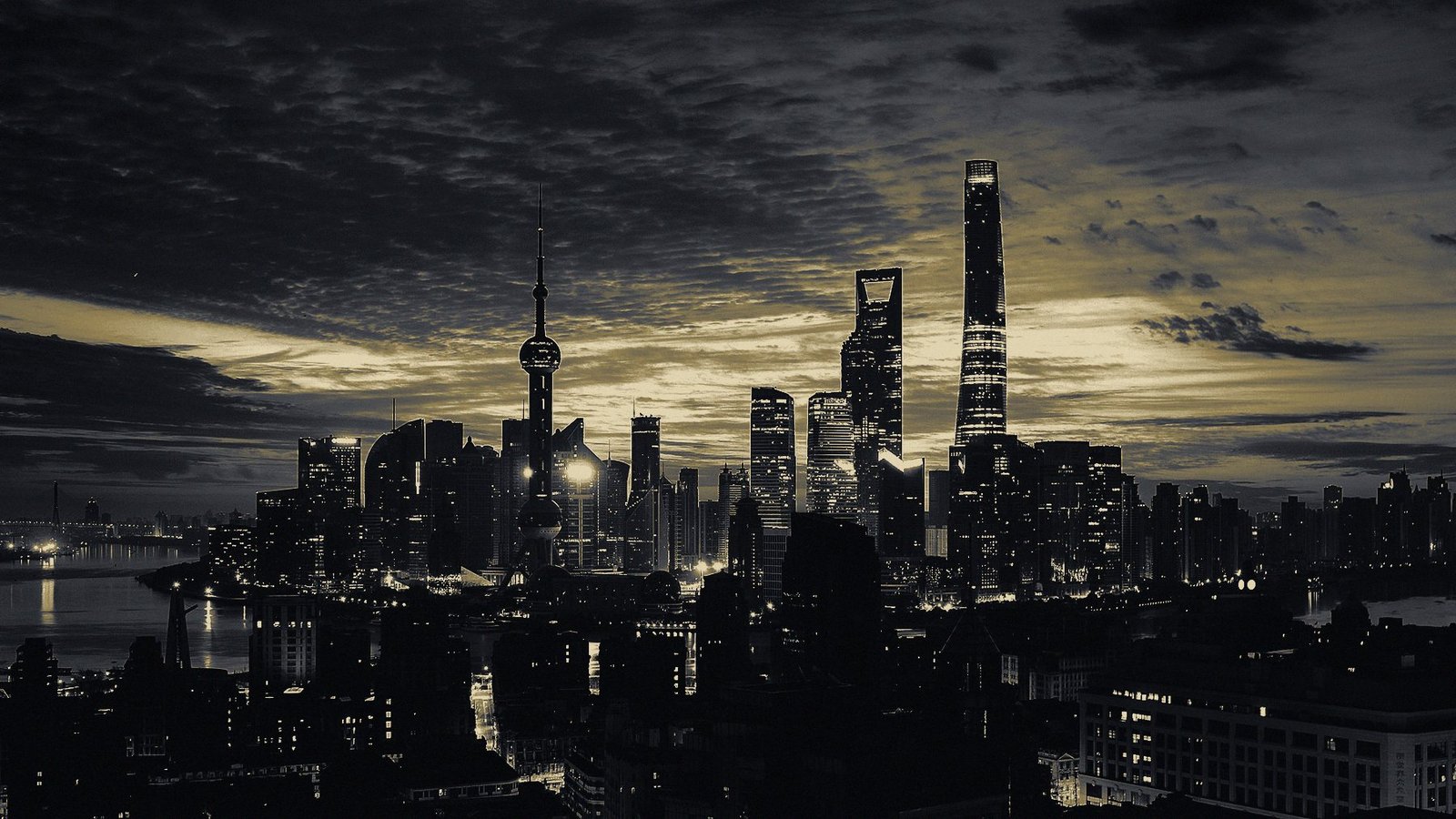
We are building a restaurant chain of our own, and the first house is planned for Shanghai. The reason is not that the group wants to be in hospitality for its own sake. It is that we already run the part of a restaurant business that is hardest to run well.
A restaurant group lives or dies on procurement. Margin is made or lost on what the kitchen pays for its ingredients, how reliably they arrive, and how little is thrown away. Those are supply chain problems, and they are the problems this company already solves for other people. Building restaurants on top of an existing sourcing, cold chain and import capability is the logical direction, not a departure.
Shanghai is where a new concept is tested against the widest range of guests, both Chinese and foreign. A format that holds up in Shanghai travels; one that only works locally does not.
The port and the customs infrastructure that make imported food practical are already there, which matters when part of the menu depends on goods our own import line brings in.
Shanghai is a short journey from the Shaoxing office. The first house will be run with people from the group in it, not managed from a distance.
The depth of hospitality labour and specialist local suppliers in Shanghai is what makes a first location survivable while the format is still being learned.
A restaurant group lives or dies on procurement. That is a supply chain problem, and it is the one we already solve.
Why we are doing this
One house, built and staffed properly, used to settle the format before anything is repeated.
Hangzhou, Ningbo and Shaoxing, where the group is already established and the supply lines are shortest.
The cities our trade routes already run to, where the group has commercial relationships before it has restaurants.
This is a plan, and we describe it as one. Dates follow readiness rather than a calendar, and we would rather open the first house late than open it wrong.
| Capability | What it means in the kitchen |
|---|---|
| Procurement | Ingredients bought through an existing sourcing operation rather than through a local distributor's margin |
| Import capability | Imported items brought in on our own licences and documentation |
| Cold chain | Temperature controlled movement already part of the group's freight work |
| Equipment | Kitchen fit out and smallwares sourced from the same manufacturing belt as our other categories |
| Documentation | Sanitary and health paperwork handled by the people who already do it daily |
We are open to conversations with landlords, hospitality operators and suppliers in Shanghai, and with distributors who want a Chinese sourcing partner for their own food service business. Write to us and say which of the two you are.
We buy on your behalf and sell in our own name. Sourcing, negotiation, contracting and the commercial risk that comes with taking a position in the trade.
02The paperwork layer. Classification, licences, certificates and the export document set that your bank and your customs authority will actually accept.
03The work between placing an order and releasing it from the factory. Vetting, sampling, production follow up, inspection and consolidation.
04Booking, forwarding and delivery by sea, air, rail and road, including the overland corridors west out of China.
05Fabric, yarn and finished garments out of Keqiao. This is the one line where our address is also our argument.
06Whole vehicles, the equipment that charges them, and the parts that keep them running. The difficult part of this trade has never been finding the vehicle.
07The categories we source to specification. The list is wide because the manufacturing belt around us is wide, but every category here is one we can inspect properly.
Send the specification, the quantity and the destination. You will get a considered answer, including an honest one if the product is not something we should be handling.